Municipal waste management in Poland is governed by the Act on Maintaining Cleanliness and Order in Communes (Ustawa o utrzymaniu czystości i porządku w gminach) and the regulations derived from it. Since 2020, selective waste collection has been mandatory across Poland, with a standardised five-fraction system adopted by most municipalities. Understanding how the system works — and what a household can do beyond basic segregation — is the starting point for reducing environmental impact.
Poland's five-fraction selective collection system
The standardised colours and fractions adopted by Polish municipalities follow the scheme set out in the Minister of Climate's regulation (Rozporządzenie Ministra Klimatu i Środowiska). The five fractions are:
- Paper (blue) — newspapers, magazines, cardboard packaging, office paper. Excluded: soiled paper, tissues, thermal paper receipts.
- Glass (green or white) — bottles and jars. Excluded: ceramics, mirrors, light bulbs, window glass.
- Plastics and metals (yellow) — plastic bottles, metal cans, tetra-pak cartons. Excluded: polystyrene foam packaging in some municipalities, PVC pipe offcuts.
- Bio-waste (brown) — food scraps, coffee grounds, fruit and vegetable peelings, unprocessed organic kitchen waste. Excluded: meat and fish in some municipalities, cooked food in others — rules vary by commune.
- Mixed residual (black or grey) — whatever cannot be placed in the above four fractions.
In practice, contamination rates in collected fractions remain a challenge. Items placed in the wrong container can cause an entire batch to be treated as residual waste. Municipal authorities provide detailed sorting guides specific to local rules, which are worth consulting because interpretations of borderline items (such as pizza boxes or aerosol cans) differ between communes.
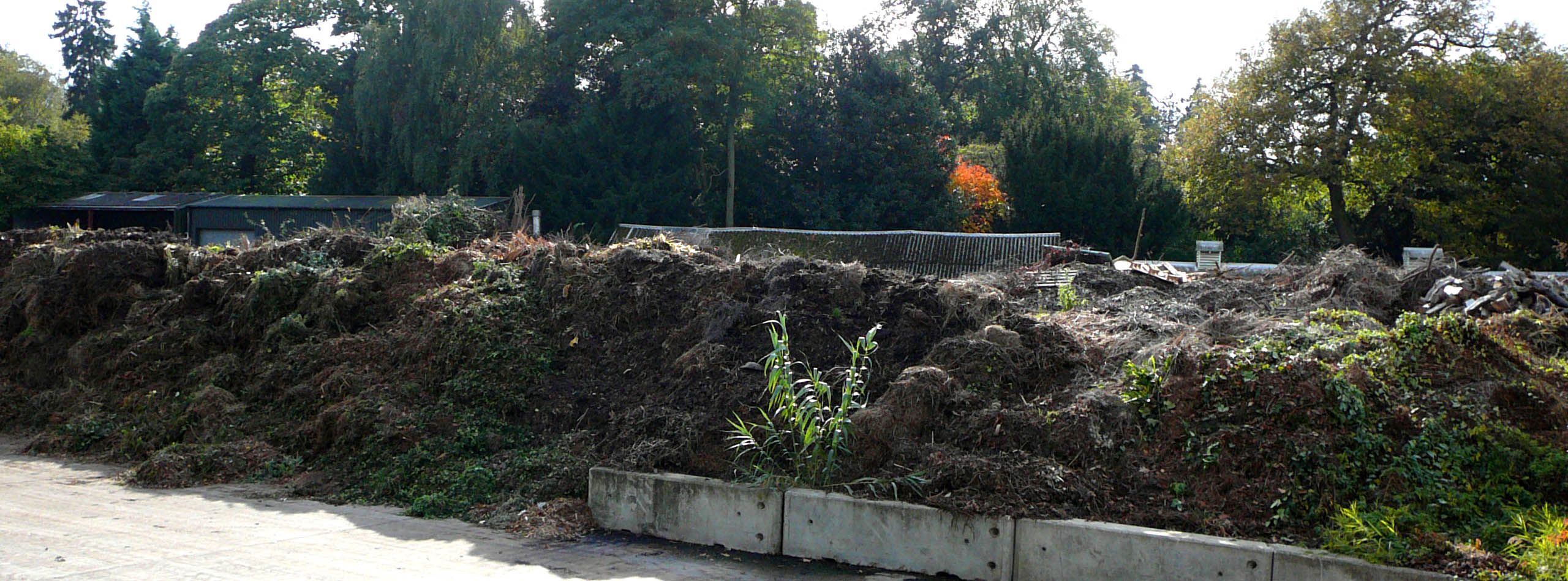
Household composting
For houses with gardens, composting bio-waste at home eliminates the need for municipal collection of that fraction entirely and produces a soil amendment for the garden. Households that compost organic waste can apply to their commune for a reduction in the municipal waste fee — this provision is included in Polish waste law but the size of the reduction varies by municipality.
A basic compost heap requires alternating layers of "green" (nitrogen-rich) material — grass clippings, vegetable peelings, coffee grounds — and "brown" (carbon-rich) material — dried leaves, straw, torn cardboard. Maintaining an approximate carbon-to-nitrogen ratio produces compost within a few months rather than years. Worm composting (vermicomposting) is an alternative for flat or apartment dwellers with balconies, using sealed bins with red wigglers (Eisenia fetida) to process kitchen scraps without odour when managed correctly.
Composting in Polish legal context
- Home composting in a garden is not subject to permit requirements for domestic quantities
- Households with declared home composting bins are entitled to fee reductions under art. 6j ust. 3b of the commune cleanliness act
- The fee reduction amount is set by each commune's council resolution
- Compost produced at home is not classified as waste if used on the same property
Reducing waste generation
Recycling and composting address what happens to waste after it is generated. Reducing the volume generated in the first place has a greater effect on overall material consumption. Practical changes documented in household lifecycle studies include:
- Avoiding single-use packaging — buying products in bulk or in larger containers reduces the number of packaging units per unit of product. Markets (targi) in Polish cities often sell produce without packaging.
- Reusable containers — substituting disposable bags, cups, and containers with durable alternatives reduces recurring plastic waste. Poland has transposed the EU Single-Use Plastics Directive (2019/904), which restricted certain single-use plastic items from July 2021.
- Food waste — food that is thrown away represents embedded resources including water, land, and transportation. Planning purchases based on actual consumption, using freezing for perishables, and understanding date labels (use-by versus best-before) reduces edible food waste.
- Durable goods — clothing, electronics, and household items with longer service life reduce the frequency of disposal. Polish second-hand markets and donation systems exist in most cities.
Construction and renovation waste
Renovation produces a category of waste distinct from everyday household waste. Demolition rubble (gruz), old windows, metal fittings, and packaging from new materials require separate disposal routes. Polish law classifies most construction waste as non-hazardous, but certain materials — lead paint, asbestos-containing boards, PCB-containing sealing compounds — require specialist disposal via licensed operators.
Asbestos, found in fibre-cement roof sheets and flat panels used in Polish housing construction primarily in the 1960s–80s, must be removed by licensed operators and transported to designated landfills. Polish communes administer asbestos removal support programmes under the national asbestos removal plan (Program Oczyszczania Kraju z Azbestu).
Green roofs and water management
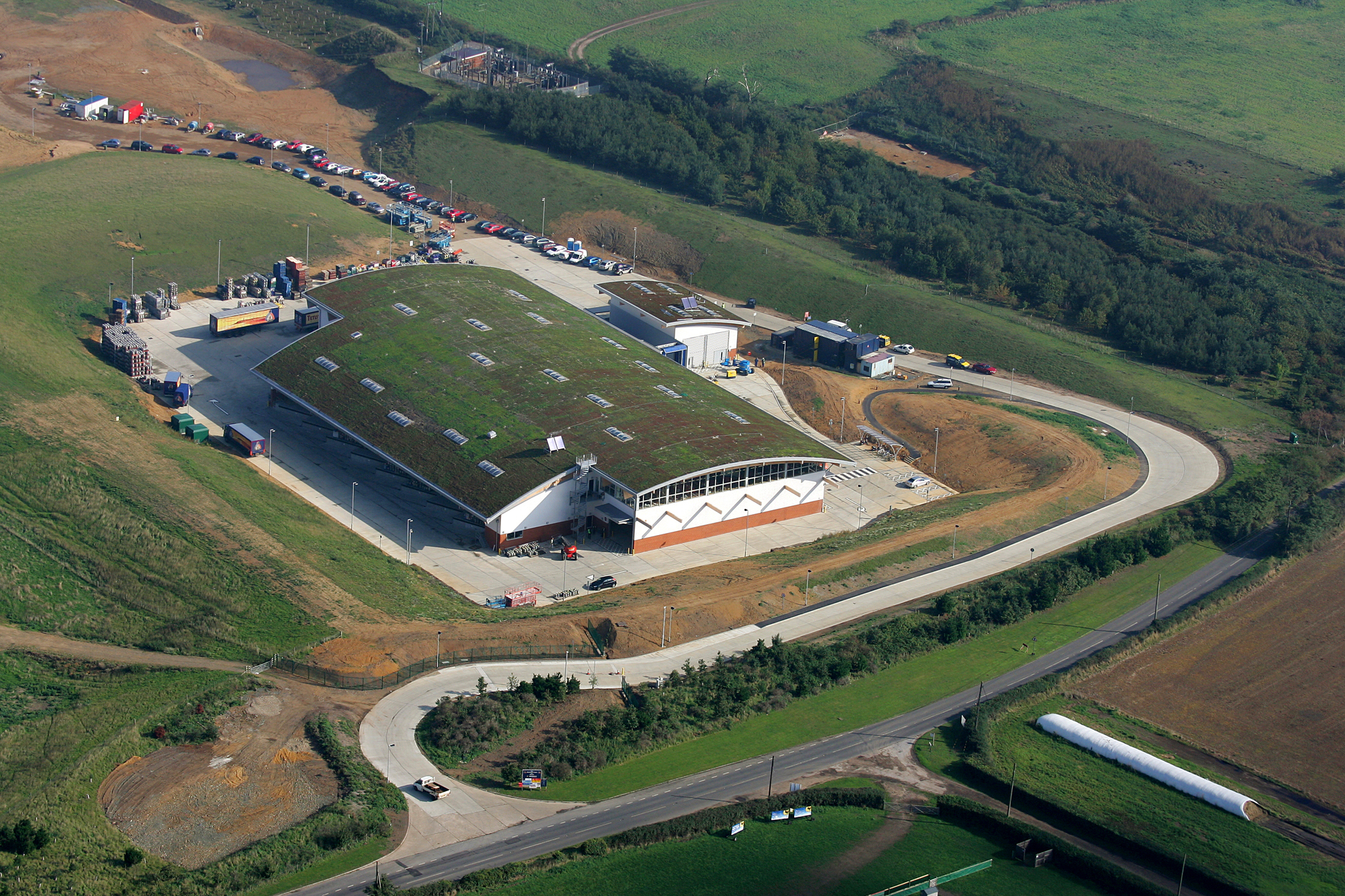
Vegetated (green) roofs reduce stormwater runoff by retaining rainfall in the substrate and plant material, releasing it slowly by evapotranspiration. This reduces peak loads on urban drainage systems. Extensive green roofs — with shallow substrate layers and drought-tolerant plants such as Sedum — can be installed on flat or shallow-pitched roofs that meet structural loading requirements.
Rainwater harvesting is a complementary measure. Collecting roof runoff into underground or above-ground tanks and using it for garden irrigation reduces mains water consumption. Polish municipalities vary in their rules on rainwater collection, but residential rainwater use for irrigation is generally not restricted. The Prawo wodne (Water Law) governs larger installations.
Reference sources
- Ustawa o utrzymaniu czystości i porządku w gminach — Polish waste law framework
- Rozporządzenie Ministra Klimatu i Środowiska w sprawie szczegółowego sposobu selektywnego zbierania — five-fraction colour codes
- Program Oczyszczania Kraju z Azbestu: gov.pl/web/klimat/azbest
- EU Single-Use Plastics Directive 2019/904/EU
Images: Compost heap — Wikimedia Commons (CC BY-SA) · Green roof — Wikimedia Commons (CC BY-SA)

